
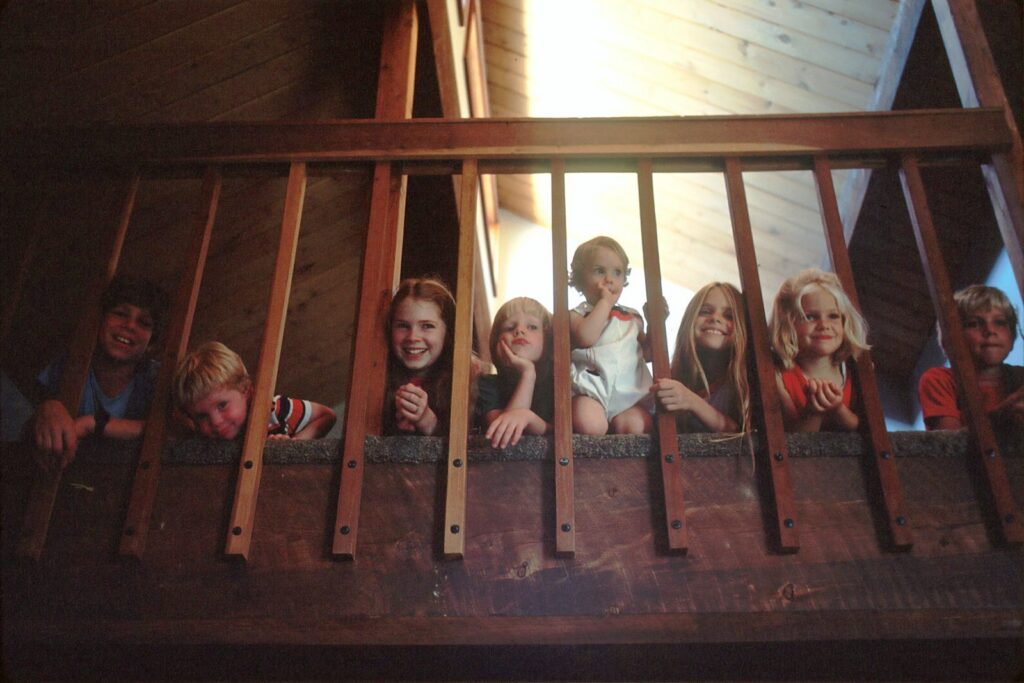
Some moments feel completely ordinary while they’re happening: a quick phone call on the drive home, a child asking the same question for the tenth time, a parent telling a story you’ve heard a dozen times before. In the moment they seem small and routine, easy to overlook.
Later, they’re the moments we most wish we could hear again. They connect us to the people we love and the life we’ve lived, and they hold details that photos and videos usually miss.
The Subtle Disappearance of Everyday Life
Life doesn’t warn you when something is about to become a memory. It slips by quietly. One day the phone calls come less often, the questions stop, and the old stories stop getting retold.
Most of us only think to capture the big milestones, like birthdays, weddings, and graduations. The research points to the ordinary moments mattering just as much, maybe more. A review of 50 years of research on family routines and rituals (Fiese and colleagues, Journal of Family Psychology) linked everyday routines and the shared meaning families build around them to stronger relationships, children’s well-being, and teenagers’ sense of identity. Those routines, small conversations, and everyday interactions shape our relationships and carry emotional weight from one generation to the next.
Think of the way your father chuckles at a private joke, the tone your sister uses when she’s reassuring a sibling, or the pauses in your grandmother’s stories that tell you something deeper is going on. Those details fade fastest, and yet they’re the ones people remember most vividly and cherish longest.
Why Voice Holds On Longer
Seeing a memory and hearing one are very different things. A photo shows you what someone looked like, and a video might give you a glimpse of their expression. A voice carries what no image can: tone, pacing, inflection, emotion, and personality.
Research backs this up. In a University of Wisconsin–Madison study, girls who talked with their mothers after a stressful task released oxytocin, the bonding hormone, and their stress hormones dropped. Girls who exchanged instant messages with their mothers got no such benefit. The words mattered less than hearing the voice. That’s why an old voicemail, a recorded message, or even a short voice memo can hit so hard. A single sentence, said in that familiar way, can take you straight back to a moment, a place, or a feeling.
Voice turns a memory into something you experience again, not just something you recall. It’s why hearing “just checking in” from someone you miss can bring a comfort that a text message never could.
Capturing Life As It Happens
Part of the challenge is that life moves fast. By the time we decide to record a memory, the moment is usually gone. The most meaningful experiences tend to be spontaneous: a joke at the dinner table, a shared laugh on a car ride, a quiet reflection in the living room.
Capturing them takes very little effort and pays off enormously. Short recordings of everyday conversations, thoughts, and reflections can become an invaluable archive, one that lets families revisit the words along with the feeling, rhythm, and personality behind them.
Where MiMir Fits In
MiMir was made for the moments that never get a spotlight but matter just as much. It gives families a private, secure place to record stories in voice, video, or text, and keeps those recordings organized and easy to find, so memories stay authentic and accessible.
Saving the highlights is only part of it. MiMir is about documenting the everyday: the ordinary, small moments that together make up a family’s history. By building a living archive of voices and stories, it turns fleeting experiences into something that lasts.
Tips for Preserving Everyday Memories
- Record spontaneously. Don’t wait for a milestone; capture stories and reflections as they happen.
- Include everyone. Every family member has their own stories, and even young children have memories worth keeping.
- Lead with voice. Talk instead of type. The emotion, laughter, and pauses are part of the story.
- Listen and share together. Revisiting recordings as a family strengthens both your bonds and your memories.
- Add context. Note who was there, where it happened, or why it matters, so the memory is richer later.
The Gift You Leave Behind
The small moments we overlook today are the ones future generations will treasure most. Your voice telling a story, laughing at something silly, or sharing a thought you didn’t realize was important becomes a gift no one can replace.
MiMir keeps those moments from being lost. It preserves more than the facts of a life; it keeps the personality, warmth, and emotion that make a memory feel alive.
In the end, preserving family stories isn’t only about remembering what happened. It’s about feeling it again, reliving it, and sharing it with the people you love. With MiMir, the moments you almost missed become the ones your family never forgets.
Join the conversation